
Panic Disorders
What this specialty means
Panic disorders refer to recurring episodes of sudden, intense fear or discomfort—often with a racing heart, shortness of breath, dizziness, chest tightness, shaking, or a feeling of losing control—followed by worry about future attacks or changes in behavior to avoid them. These experiences can feel alarming even when no immediate danger is present. Support can take several forms: psychotherapy may help explain the body–mind cycle of panic and reshape responses; coaching can build practical coping routines and confidence; and medical care can evaluate physical symptoms and discuss treatment options as needed.
Why people seek support
People may seek support when panic attacks start occurring more often, feel unpredictable, or begin to interfere with daily life. You might avoid driving, elevators, stores, meetings, or exercise for fear of symptoms; feel on edge about when the next episode might happen; or feel frustrated after repeated checkups that don’t explain what you’re experiencing. Some seek help to understand sensations, reduce health-related worry, manage sleep and stress, or navigate school, work, caregiving, or travel demands while finding safer, more sustainable ways to cope.
Typical goals
Common collaborative goals may include learning how panic works in the brain and body, mapping personal triggers and safety behaviors, and creating a tailored plan for early signs and acute episodes. People often aim to practice grounding and breathing skills, build tolerance for body sensations, and gradually reengage in avoided activities at a manageable pace. Therapy may explore beliefs and past experiences that amplify fear, while coaching can focus on routines and accountability. Care might also include coordinating with medical providers, strengthening supports, and planning for setbacks and ongoing maintenance.
Trifecta Health educational information. For educational purposes only—not a diagnosis or a substitute for professional medical advice.
Find a specialty provider
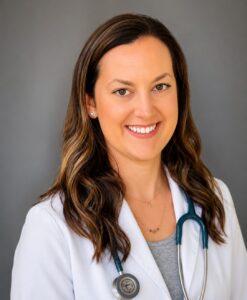
Lisa Caiafa
APRN, FNP-C
Lisa Caiafa, MSN, RN, APRN, FNP-C, is a Board-Certified Family Nurse Practitioner dedicated to providing high-quality, comprehensive, patient-centered care. With over 14 years of clinical experience in emergency department, urgent care and primary care settings, she brings a wealth of knowledge and expertise to her daily practice...

Dr. Tiffany Rogers
Ph.D., LAPC
Every person who comes to therapy brings their own story, shaped by unique experiences, strengths, and resilience. While many clients reach out during some of their most difficult moments, I’ve seen firsthand how pain, when met with compassion and curiosity, can become a powerful catalyst for growth and healing...

Catherine Geyer
LAPC
Hello! I'm Catherine, and I'm so glad you are here...

Dusty Shandy
LPC
I am a licensed professional counselor in Georgia with 10+ years of experience working with a variety of clients. I have additional experience in school-based/family counseling, case management for foster children, parental education, resource allocation for vocational rehabilitation, and education and career counseling...
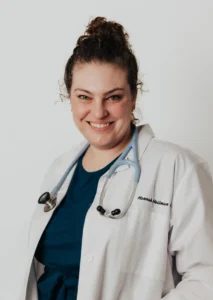
Hannah Heilman
PMHNP
As a Psychiatric Nurse Practitioner, I am humbled by the privilege of being part of the multidisciplinary team at Trifecta Health. I am a native Georgian and live in Duluth with my husband, four children, and two cats and dogs who enjoy gardening, painting, and family adventures in my free time. I am a family-focused provider who meets personal goals of wholeness and wellness through a collaborative treatment approach...

Jon Hester
LCSW, CCTP-II and Certified Maxwell Leadership Coach
Jon Hester, LCSW, is a licensed clinical social worker serving adults in Georgia and Florida. With more than 25 years of clinical and executive leadership experience, Jon helps clients navigate anxiety, OCD, trauma, PTSD, stress, major life transitions, and the unique pressures that can come with work, relationships, and leadership responsibilities...