
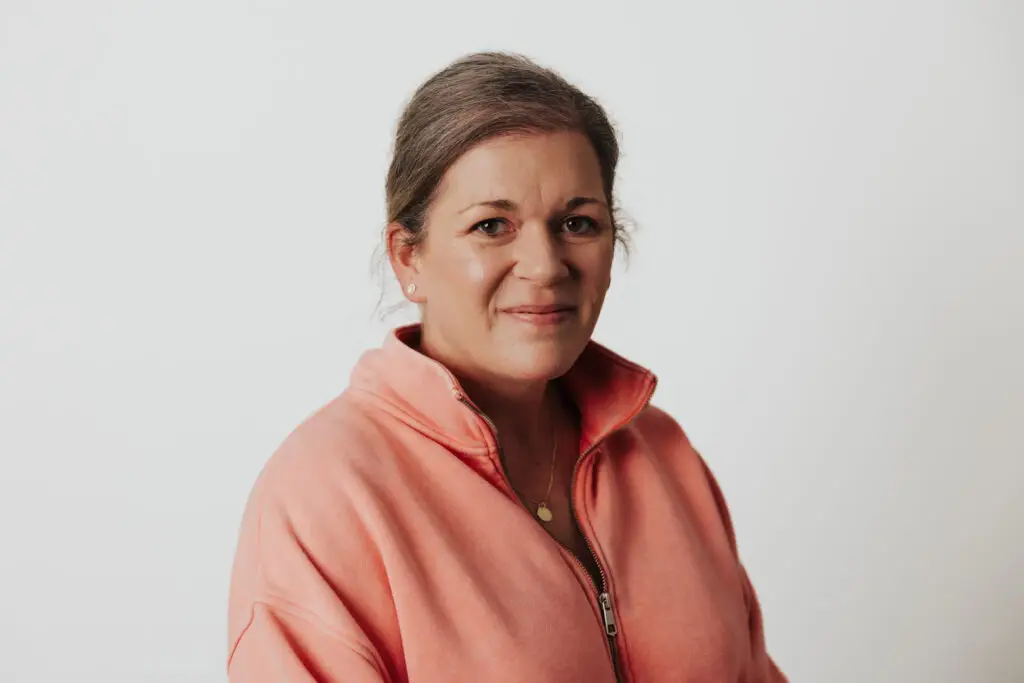
Dusty Shandy

Dusty Shandy, LPC — Military Family & Trauma Therapist in Georgia & Florida

Dusty Shandy, LPC, is a licensed professional counselor with more than 10 years of experience helping teens, adults, couples, and families navigate trauma, anxiety, major life transitions, and the unique challenges of military life. With extensive experience working with the Department of Defense and military families, Dusty provides virtual therapy throughout Georgia and Florida, with additional expertise in crisis support, parenting, and family counseling.

Accepting New Clients — Virtual Only
Services
Continuing Education for Mental Health Professionals Counseling Couples Counseling Family Counseling Individual Counseling Life Coaching Mental Health Training for Organizations Parent Coaching

About

I am a licensed professional counselor in Georgia with 10+ years of experience working with a variety of clients. I have additional experience in school-based/family counseling, case management for foster children, parental education, resource allocation for vocational rehabilitation, and education and career counseling. I also have extensive experience working with the Department of Defense and the challenges that military families face throughout their time in service. In addition, I specialize in providing triage services to individuals in acute crisis.

My foundational experience allows me to utilize evidence-based therapeutic intervention techniques. During these sessions, we will use a holistic approach that integrates the mind, body, and spirit to help you reach your counseling goals.  With encouragement, support, and guidance, my hope and prayer for you is to discover peace, hope, healing, and a strategic direction for your future.  Together we will work toward a life of purpose and well-being – starting where you are and celebrating each success along the way!

I am married to my husband of 19 years and have two children. 

Education

M.A., Professional Counseling, Liberty University, Lynchburg, VA-Graduated 2013, B.A., Social Science with concentration in Education, Ashford University, Clinton, Iowa-2010

Georgia Licensure

Georgia License Number: LPC014155

Licensed In

  • Georgia
  • Florida

Session Format

  • Virtual

Clients Served

  • Teens
  • Adults
  • Couples & Families
  • Ages 14 & Up

Payment

  • Insurance Accepted
  • Self-Pay

$160

60-Minute Session

Insurance Accepted

Georgia

Aetna Anthem Blue Cross* Cigna Cigna Evernorth GEHA* Humana Medicare* Meritain* Optum United Healthcare Oscar Health* Priority Health* Tricare* United Healthcare

Florida

Aetna Cigna Cigna Evernorth Humana Medicare* Meritain* Optum United Healthcare Oscar Health* Tricare* United Healthcare

*Contact your provider to verify coverage and if Trifecta Health is in network on your plan.

Veterans and Their Families

What this specialty means

Veterans and Their Families is a supportive specialty that offers mental health counseling, family therapy, coaching, and peer-informed guidance tailored to military and veteran life. Providers recognize service culture, deployments, reintegration, moral distress, grief, and the ripple effects on partners, children, and caregivers. Care may include individual, couple, family, or group sessions, plus practical coaching for transitions and resource navigation. Psychotherapy addresses emotional and relational concerns; coaching emphasizes goals and skills; medical care handles diagnosis and medication and is accessed separately. Services aim to be respectful, collaborative, and culturally informed.

Why people seek support

People may seek this support when adjusting to separation or reunion after deployment, navigating the shift from military to civilian roles, or coping with loss, injury, or moral conflict. Partners might notice growing distance or communication breakdowns. Parents may want guidance on helping children handle moves, school changes, or a caregiver’s stress. Some face sleep disruption, irritability, or difficulty relaxing in crowds. Others want help organizing benefits, education, or work plans. Caregivers and aging veterans may look for strategies to balance responsibilities and sustain connection.

Typical goals

Together with a qualified professional, individuals and families might aim to strengthen communication, rebuild trust, and create routines that support sleep, health, and connection. They may practice grounding and stress-reduction skills, plan for transitions, and map supportive communities. Couples could explore conflict repair and co-parenting across distance. Veterans might clarify values, purpose, education, or career steps; caregivers may develop respite plans and boundaries. When appropriate, safety planning and resource navigation can be included. Psychotherapy may focus on emotional processing, while coaching may emphasize practical action and accountability.

Trifecta Health educational information. For educational purposes only—not a diagnosis or a substitute for professional medical advice.

Read more about Veterans and Their Families and view providers

Substance Use Disorders

What this specialty means

Substance use disorders (SUDs) is a term for patterns of alcohol, prescription, or other drug use that persist despite harm or distress, affecting daily life, relationships, and wellbeing. In a mental health and counseling context, support may include education, coping strategies, and collaborative planning to change use or reduce risks. Psychotherapy can help explore habits, emotions, and experiences that influence use. Coaching tends to focus on practical goals, accountability, and routines. Medical care may be needed for withdrawal management or medication options, with coordination and referrals when appropriate.

Why people seek support

People may seek help when they feel their use is increasing, cutting back is harder than expected, or cravings and urges are interfering with work, school, or parenting. Others notice conflicts with loved ones, risky situations, sleep or mood changes, or financial and legal stress. Some want to prevent problems before they grow, use more safely, or understand ambivalence about change. Support may also be sought after a close call, a setback following a period of change, or when coping with anxiety, trauma, or chronic pain alongside substance use.

Typical goals

Common collaborative goals may include clarifying personal values and motivation, choosing between harm reduction or abstinence-oriented plans, and creating small, measurable steps. People often work on identifying triggers, building coping skills for cravings, planning for high-risk situations, and strengthening supportive relationships. Additional goals might involve relapse-prevention and safety planning, improving sleep and stress management, and rebuilding routines, hobbies, and self-care. Professionals may also help with navigating community resources, mutual-support options, and referrals for medical evaluation when indicated. Goals are individualized, revisited over time, and progress may vary.

Trifecta Health educational information. For educational purposes only—not a diagnosis or a substitute for professional medical advice.

Read more about Substance Use Disorders and view providers

Marriage Counseling

What this specialty means

Marriage counseling is a structured, collaborative service that helps spouses or committed partners understand patterns, improve communication, and navigate conflict with the support of a neutral professional. It often blends counseling and coaching: sessions may focus on skills practice and problem-solving, while deeper emotional work can occur when both partners consent. It is not medical care, and individual psychotherapy for personal concerns may be recommended alongside couples work. The counselor aims to support the relationship’s wellbeing without taking sides or deciding outcomes for the partners.

Why people seek support

People may seek marriage counseling when repeated arguments leave them feeling stuck, when emotional distance grows, or when major life transitions strain their partnership. Common situations include differences about money, intimacy, parenting, household roles, cultural or religious expectations, or relationships with extended family. Some couples want support after a breach of trust, following relocation or job changes, during fertility or health stressors, or before marriage to build a strong foundation. Counseling offers a structured space to speak openly, reduce blame, and explore decisions about staying together or separating.

Typical goals

Typical goals may include learning to communicate needs respectfully, listen without defensiveness, and manage conflict with fair, de-escalating strategies. Partners might practice rebuilding trust and safety, strengthening friendship and intimacy, clarifying shared values, and negotiating roles, finances, or parenting approaches. Couples may set boundaries with extended family, plan for stress, and create rituals that support connection. When individual concerns like trauma or substance use are central, the counselor may suggest parallel individual or medical care. Goals are collaborative, may evolve over time, and outcomes are not guaranteed.

Trifecta Health educational information. For educational purposes only—not a diagnosis or a substitute for professional medical advice.

Read more about Marriage Counseling and view providers

Anxiety

What this specialty means

Anxiety is a natural body-and-mind response to stress or perceived threat. When worry, tension, or fear become persistent, overwhelming, or interfere with daily life, supportive care can help. In a mental-health context, anxiety services may include psychotherapy to explore thoughts, emotions, and patterns; skills-based coaching to practice coping and lifestyle changes; and, when appropriate, coordination with medical care for assessment of physical factors. These approaches aim to meet people with respect and reduce distress while honoring personal values, culture, and priorities.

Why people seek support

People may seek help for anxiety when worry feels hard to turn off, when racing thoughts or rumination disrupt sleep, or when restlessness, muscle tension, or a knotted stomach make it tough to focus. Avoiding social situations, driving, public speaking, or decision-making can strain school, work, or relationships. Life transitions, ongoing stress, perfectionism, health concerns, or reminders of past adversity may also heighten anxiety. Support is often pursued to understand what’s happening, feel less alone, and learn practical ways to navigate discomfort and uncertainty.

Typical goals

Goals are tailored to each person and may include understanding personal anxiety triggers and body cues; building a toolkit of coping skills; improving sleep and daily routines; and gradually re-engaging with avoided activities in manageable steps. In psychotherapy, individuals may explore underlying beliefs, emotions, and relationship patterns that keep anxiety going. Coaching may focus on action plans, habit change, and accountability. Medical care, when sought, can assess contributing health conditions and discuss options. Progress is usually tracked by functioning, confidence, and quality of life, not perfection.

Trifecta Health educational information. For educational purposes only—not a diagnosis or a substitute for professional medical advice.

Read more about Anxiety and view providers

Aging Adults

What this specialty means

Aging Adults refers to mental health, counseling, and supportive coaching focused on the unique needs of older people as they navigate later-life changes. Practitioners help with life transitions, grief and loss, loneliness, role shifts, caregiving dynamics, identity and purpose after retirement, and the emotional impact of health conditions. Psychotherapy may address mood, anxiety, or trauma responses; coaching can support routines, engagement, and goal-setting; medical care manages diagnoses and medications. Services may also include guidance for families and care partners, with attention to dignity, autonomy, and cultural context.

Why people seek support

People might seek support in this specialty when facing isolation after a move or bereavement, difficulty adjusting to retirement, changes in memory or concentration that raise worry, sleep or appetite shifts linked to stress, or the strain of managing multiple appointments and medications. Others look for help navigating family conversations about independence, driving, finances, or living arrangements. Caregivers may need space to process fatigue and guilt. Some seek life review, meaning-making, faith or values alignment, or strategies to stay connected, active, and safe within their communities.

Typical goals

Depending on needs and preferences, collaborative goals may include building supportive routines and social connection, strengthening coping skills for grief and stress, clarifying roles and boundaries in caregiving, and planning meaningful daily activities. People might work on communication with family and healthcare teams, problem-solving for transportation and home safety, or organizing documents and preferences for future planning. Some may practice relaxation, sleep hygiene, or memory-supportive habits. When appropriate, providers can coordinate with medical care, and may suggest psychotherapy for persistent distress or coaching for habit change.

Trifecta Health educational information. For educational purposes only—not a diagnosis or a substitute for professional medical advice.

Read more about Aging Adults and view providers

College Adjustment Issues

What this specialty means

College Adjustment Issues refers to support for students navigating the transition into and through college, where new academic demands, social environments, and independence can feel overwhelming. This specialty addresses challenges like time management, homesickness, imposter feelings, roommate dynamics, financial stress, and cultural or language shifts. Depending on needs, support may involve counseling to process emotions, skills-focused coaching to build routines and study strategies, and referrals to medical or campus services when health concerns arise. The emphasis is compassionate, practical guidance that respects each student’s background, identities, and goals.

Why people seek support

People often seek help for college adjustment when routines that worked in high school no longer suffice, workloads mount, or procrastination erodes confidence. Others reach out after feeling isolated, navigating roommate or dating tensions, managing a job alongside classes, or confronting pressure around substances or party culture. International, first‑generation, transfer, neurodivergent, and returning students may want a sounding board for cultural shifts, access needs, or identity exploration. Support can also be useful during test-heavy terms, after a disappointing grade, or when changes at home, grief, or illness disrupt focus and motivation.

Typical goals

Working with a qualified professional, students might co-create plans that fit their strengths: time management systems, effective study habits, and balanced routines for sleep, meals, and movement. Sessions could focus on coping skills for stress and uncertainty, communication and boundary setting with roommates or family, and strategies for healthy digital use and social engagement. People may practice self-advocacy with faculty, explore accommodations, map campus resources, and clarify values to guide majors or extracurriculars. When appropriate, they could plan steps for safety and help-seeking, and reduce reliance on unhelpful coping patterns.

Trifecta Health educational information. For educational purposes only—not a diagnosis or a substitute for professional medical advice.

Read more about College Adjustment Issues and view providers