
Dementia and Memory Care
What this specialty means
Dementia and Memory Care focuses on supportive services for people experiencing cognitive changes and for their care partners. It blends education, counseling, practical skills, and care planning to help maintain safety, meaning, and dignity amid memory, attention, or judgment difficulties. It complements medical evaluation and treatment, which address diagnosis and medications, and may include psychotherapy for mood or adjustment and coaching for daily strategy-building. Professionals help tailor routines, environments, and communication, while validating emotions and promoting autonomy as abilities change.
Why people seek support
People may seek this support when new forgetfulness disrupts routines, when appointments or bills are missed, or when getting lost, repeating questions, or misplacing items creates worry. Others come after a diagnosis to understand what to expect and how to communicate changes at home or work. Care partners often reach out for guidance on responding to agitation, sleep changes, or withdrawal, and to reduce overwhelm or family conflict. Many want help organizing resources, transportation, and respite, or planning for transitions such as driving decisions, home safety, and future living options.
Typical goals
Together, you might clarify priorities, identify strengths, and create simple, repeatable routines supported by calendars, labels, and prompts. A professional could help adapt the home for safety, refine communication to reduce frustration, and develop approaches to common behaviors with compassion. Psychotherapy may focus on coping with grief, anxiety, or role changes; coaching may target organization, caregiver teamwork, and appointment management; medical care would address diagnostic and physical concerns. Additional goals can include building respite plans, connecting to community supports, exploring care preferences, and sustaining meaningful activities for as long as is feasible.
Trifecta Health educational information. For educational purposes only—not a diagnosis or a substitute for professional medical advice.
Find a specialty provider

Dusty Shandy
LPC
I am a licensed professional counselor in Georgia with 10+ years of experience working with a variety of clients. I have additional experience in school-based/family counseling, case management for foster children, parental education, resource allocation for vocational rehabilitation, and education and career counseling...
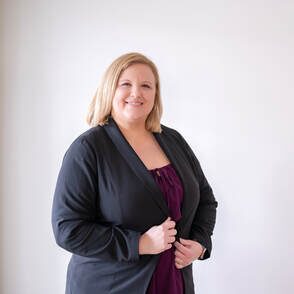
Michelle Gillespie
LPC
Thank you for considering me as part of your counseling journey. I am a Licensed Professional Counselor in the state of Georgia...