
Complex Trauma
What this specialty means
Complex trauma is a term used to describe the cumulative impact of repeated, prolonged, often interpersonal adversity—such as chronic neglect, abuse, exploitation, or ongoing violence—on a person’s sense of safety, identity, relationships, and body. In a counseling context, support is trauma-informed and paced to the individual. Psychotherapy may focus on processing memories and building regulation skills; coaching may emphasize present-day habits, boundaries, and goals; medical care might address sleep, pain, or other health concerns. The aim is to understand reactions with compassion and strengthen choices, not to pathologize lived experience.
Why people seek support
People might seek support for complex trauma when everyday stressors feel overwhelming or oddly familiar to past hurts. They may notice intense reactions to conflict, numbness after criticism, difficulty trusting, cycles of overworking and burnout, or a pull toward unsafe relationships. Nightmares, startle responses, or body tension can linger without clear cause. Parenting, dating, or job changes may stir old patterns. Some want a space to unpack shame, confusion, or cultural and community factors that shaped survival strategies. Others seek help preparing for medical, legal, or caregiving demands that activate past wounds.
Typical goals
Collaborative goals often include creating safety and predictability, learning grounding and emotion-regulation skills, and mapping triggers alongside personal strengths. People may work on boundaries, communication, and pacing—deciding what to approach now and what to defer. When and if ready, psychotherapy might support gentle memory processing; coaching might help practice routines, values-guided actions, and relational skills. Plans could include crisis resources, sleep and body-care strategies, and coordination with medical or community supports. Over time, many aim to increase choice, self-compassion, and connection, while honoring cultural context and the wisdom of past survival.
Trifecta Health educational information. For educational purposes only—not a diagnosis or a substitute for professional medical advice.
Find a specialty provider

Dr. Tiffany Rogers
Ph.D., LAPC
Every person who comes to therapy brings their own story, shaped by unique experiences, strengths, and resilience. While many clients reach out during some of their most difficult moments, I’ve seen firsthand how pain, when met with compassion and curiosity, can become a powerful catalyst for growth and healing...
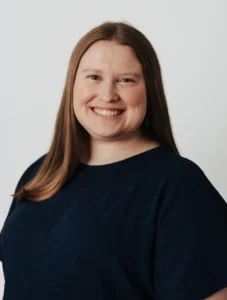
Catherine Geyer
LAPC
Hello! I'm Catherine, and I'm so glad you are here...

Stephanie Sheets
LPC
Hello! Thank you for considering me for your therapy needs...

Dusty Shandy
LPC
I am a licensed professional counselor in Georgia with 10+ years of experience working with a variety of clients. I have additional experience in school-based/family counseling, case management for foster children, parental education, resource allocation for vocational rehabilitation, and education and career counseling...

Lindsey Martin
LCSW, Clinical Director
Thank you for considering me as you take the next step in your counseling journey. I am a Licensed Clinical Social Worker providing therapy to clients in Georgia and Alabama, as well as telehealth services in Florida...
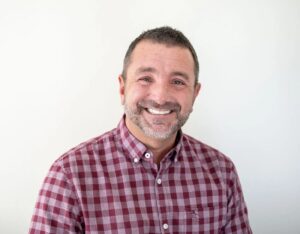
Jon Hester
LCSW, CCTP-II and Certified Maxwell Leadership Coach
Jon Hester, LCSW, is a licensed clinical social worker serving adults in Georgia and Florida. With more than 25 years of clinical and executive leadership experience, Jon helps clients navigate anxiety, OCD, trauma, PTSD, stress, major life transitions, and the unique pressures that can come with work, relationships, and leadership responsibilities...