
Childhood Trauma
What this specialty means
Childhood trauma refers to distressing events or ongoing conditions in early life—such as abuse, neglect, loss, violence, or instability—that overwhelm a child’s sense of safety and connection. Its effects can echo into adolescence and adulthood in emotions, body sensations, beliefs, and relationships. Support in this specialty is trauma‑informed and paced for safety, and may include psychotherapy to process experiences, counseling to improve coping and relationships, skills‑based coaching to build routines and resilience, and collaboration with medical care when appropriate. The focus is understanding and healing without rushing or retraumatizing.
Why people seek support
People often seek support for childhood trauma when they notice current challenges that seem out of proportion or hard to explain: sudden fear or anger, numbness, sleep problems, difficulty trusting, perfectionism, or feeling “stuck.” Reminders of past events, conflicts at work or home, parenting stress, or major changes can intensify these patterns. Some want to make sense of fragmented memories; others want practical tools without revisiting details. Caregivers may come to support a child or to interrupt intergenerational cycles. The intent is to find compassionate, structured help that fits readiness and goals.
Typical goals
Collaborative goals may include establishing a sense of safety, strengthening emotion regulation and grounding skills, and mapping how past experiences shape present reactions. Depending on need, psychotherapy can carefully process memories and repair attachment patterns, while coaching may focus on routines, boundaries, communication, and values‑based action. People may aim to reduce reactivity, build self‑compassion, improve sleep and concentration, and foster healthier relationships. Plans often include coping strategies for triggers, crisis and support resources, and coordination with medical care when warranted. Progress is individualized, with pace and consent guiding each step.
Trifecta Health educational information. For educational purposes only—not a diagnosis or a substitute for professional medical advice.
Find a specialty provider

Dr. Tiffany Rogers
Ph.D., LAPC
Every person who comes to therapy brings their own story, shaped by unique experiences, strengths, and resilience. While many clients reach out during some of their most difficult moments, I’ve seen firsthand how pain, when met with compassion and curiosity, can become a powerful catalyst for growth and healing...

Catherine Geyer
LAPC
Hello! I'm Catherine, and I'm so glad you are here...

Stephanie Sheets
LPC
Hello! Thank you for considering me for your therapy needs...
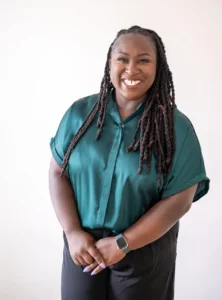
Takita Pruitt
LMSW
Hello, I'm Takita, a therapist with a passionate commitment to helping children and families meet their goals and achieve healing. Grounded in a comprehensive understanding of trauma-informed care and equipped with the latest therapeutic techniques, I am dedicated to providing a supportive environment where clients can explore their experiences and work towards positive change...

Dusty Shandy
LPC
I am a licensed professional counselor in Georgia with 10+ years of experience working with a variety of clients. I have additional experience in school-based/family counseling, case management for foster children, parental education, resource allocation for vocational rehabilitation, and education and career counseling...

Lindsey Martin
LCSW, Clinical Director
Thank you for considering me as you take the next step in your counseling journey. I am a Licensed Clinical Social Worker providing therapy to clients in Georgia and Alabama, as well as telehealth services in Florida...