
Anxiety
What this specialty means
Anxiety is a natural body-and-mind response to stress or perceived threat. When worry, tension, or fear become persistent, overwhelming, or interfere with daily life, supportive care can help. In a mental-health context, anxiety services may include psychotherapy to explore thoughts, emotions, and patterns; skills-based coaching to practice coping and lifestyle changes; and, when appropriate, coordination with medical care for assessment of physical factors. These approaches aim to meet people with respect and reduce distress while honoring personal values, culture, and priorities.
Why people seek support
People may seek help for anxiety when worry feels hard to turn off, when racing thoughts or rumination disrupt sleep, or when restlessness, muscle tension, or a knotted stomach make it tough to focus. Avoiding social situations, driving, public speaking, or decision-making can strain school, work, or relationships. Life transitions, ongoing stress, perfectionism, health concerns, or reminders of past adversity may also heighten anxiety. Support is often pursued to understand what’s happening, feel less alone, and learn practical ways to navigate discomfort and uncertainty.
Typical goals
Goals are tailored to each person and may include understanding personal anxiety triggers and body cues; building a toolkit of coping skills; improving sleep and daily routines; and gradually re-engaging with avoided activities in manageable steps. In psychotherapy, individuals may explore underlying beliefs, emotions, and relationship patterns that keep anxiety going. Coaching may focus on action plans, habit change, and accountability. Medical care, when sought, can assess contributing health conditions and discuss options. Progress is usually tracked by functioning, confidence, and quality of life, not perfection.
Trifecta Health educational information. For educational purposes only—not a diagnosis or a substitute for professional medical advice.
Find a specialty provider

Brandon Massion
LCSW
Thank you for considering me for your counseling and mentoring needs. I am a licensed clinical social worker and currently work at UF Health Trauma Hospital in Jacksonville, FL...

Lindsey Martin
LCSW, Clinical Director
Thank you for considering me as you take the next step in your counseling journey. I am a Licensed Clinical Social Worker providing therapy to clients in Georgia and Alabama, as well as telehealth services in Florida...
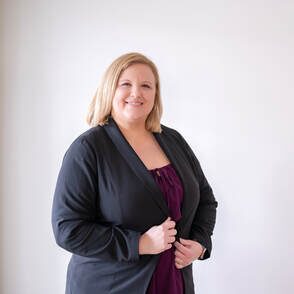
Michelle Gillespie
LPC
Thank you for considering me as part of your counseling journey. I am a Licensed Professional Counselor in the state of Georgia...

Jon Hester
LCSW, CCTP-II and Certified Maxwell Leadership Coach
Jon Hester, LCSW, is a licensed clinical social worker serving adults in Georgia and Florida. With more than 25 years of clinical and executive leadership experience, Jon helps clients navigate anxiety, OCD, trauma, PTSD, stress, major life transitions, and the unique pressures that can come with work, relationships, and leadership responsibilities...