
Abuse
What this specialty means
Abuse-focused support addresses the impact of harmful, controlling, or violent behavior in relationships, including emotional, physical, sexual, digital, and financial abuse. Professionals in counseling or coaching roles help people recognize patterns, reduce isolation, and consider options that prioritize safety and dignity. Psychotherapy may focus on trauma reactions and healing; coaching may support boundary-setting and practical planning; medical care treats injuries and urgent risks. Services can be relevant for those currently experiencing abuse or reflecting on past harm, as well as people concerned about repeating harmful behaviors.
Why people seek support
People seek help around abuse when they feel trapped, afraid, or confused by a partner, family member, caregiver, employer, or institution's behavior. They might notice gaslighting, threats, intimidation, monitoring of devices, sexual coercion, stalking, or control of money and movement. Others carry lasting distress from childhood or past relationships, struggle to trust, or feel shame for not leaving. Some want guidance to support a friend, protect children, or navigate work or immigration concerns. A few may worry their own actions are hurtful and seek support to interrupt harmful patterns.
Typical goals
Together, you and a qualified professional might clarify what constitutes abuse, map patterns and risks, and develop a personalized safety plan that could include code words, tech hygiene, and emergency steps. Sessions may build grounding skills, self-compassion, and boundary-setting, and identify supportive people, housing, financial, legal, or medical resources when appropriate. You could practice communication and documentation strategies, rebuild confidence and routines, and explore grief and trauma at a workable pace. If you're concerned about causing harm, goals may include accountability, learning nonviolent skills, and planning concrete behavior changes.
Trifecta Health educational information. For educational purposes only—not a diagnosis or a substitute for professional medical advice.
Find a specialty provider
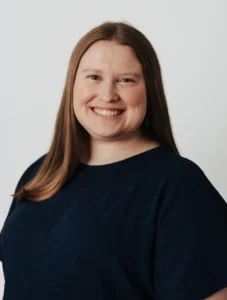
Catherine Geyer
LAPC
Hello! I'm Catherine, and I'm so glad you are here...
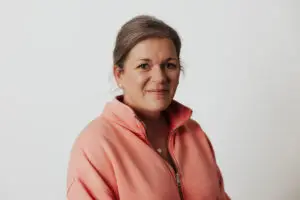
Dusty Shandy
LPC
I am a licensed professional counselor in Georgia with 10+ years of experience working with a variety of clients. I have additional experience in school-based/family counseling, case management for foster children, parental education, resource allocation for vocational rehabilitation, and education and career counseling...
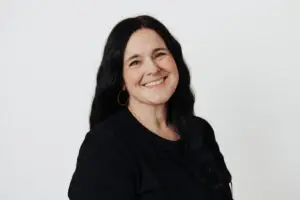
Lindsey Martin
LCSW, Clinical Director
Thank you for considering me as you take the next step in your counseling journey. I am a Licensed Clinical Social Worker providing therapy to clients in Georgia and Alabama, as well as telehealth services in Florida...