
Stress and Self-Care
What this specialty means
Stress and Self-Care is a supportive specialty that helps people understand how stress shows up in their bodies, thoughts, emotions, and daily choices, and build sustainable practices to replenish energy and resilience. Depending on needs, support may involve coaching focused on habits and accountability, counseling or psychotherapy to explore patterns and emotions, or coordination with medical care when physical symptoms or safety concerns arise. The emphasis is practical, compassionate skill building, not quick fixes, and it respects culture, identity, and life context while promoting realistic, repeatable routines.
Why people seek support
People may seek stress and self-care support when persistent overwhelm, work-life imbalance, caregiving strain, academic pressure, or major transitions make it hard to sleep, focus, make decisions, or enjoy relationships. Some notice irritability, muscle tension, worry, or feeling "always on." Others want help setting boundaries, pacing productivity, or recovering after intense periods such as deadlines, moves, or new parenthood. This specialty can also fit those aiming to prevent burnout, align routines with personal values, and create space for rest without guilt, with options ranging from coaching to therapy.
Typical goals
Collaborative goals may include mapping stressors and supports; clarifying values and priorities; practicing communication and boundary-setting; and developing personalized routines for sleep, movement, nutrition choices, digital use, and restorative breaks. A provider might teach relaxation, grounding, or mindfulness skills, and use reflective exercises to challenge unhelpful thinking or perfectionism. Plans often include monitoring early warning signs, building social support, and creating realistic action steps with accountability. When appropriate, clients may explore trauma-informed approaches in therapy and coordinate with medical providers for concerns that fall outside behavioral support.
Trifecta Health educational information. For educational purposes only—not a diagnosis or a substitute for professional medical advice.
Find a specialty provider

Lindsey Martin
LCSW, Clinical Director
Thank you for considering me as you take the next step in your counseling journey. I am a Licensed Clinical Social Worker providing therapy to clients in Georgia and Alabama, as well as telehealth services in Florida...
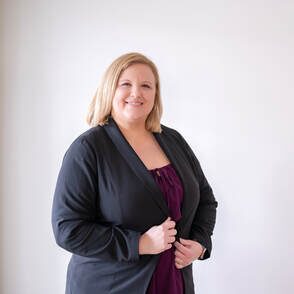
Michelle Gillespie
LPC
Thank you for considering me as part of your counseling journey. I am a Licensed Professional Counselor in the state of Georgia...
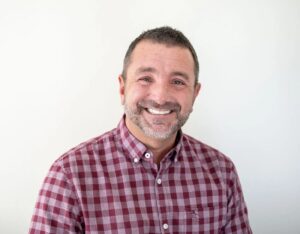
Jon Hester
LCSW, CCTP-II and Certified Maxwell Leadership Coach
Jon Hester, LCSW, is a licensed clinical social worker serving adults in Georgia and Florida. With more than 25 years of clinical and executive leadership experience, Jon helps clients navigate anxiety, OCD, trauma, PTSD, stress, major life transitions, and the unique pressures that can come with work, relationships, and leadership responsibilities...