
Mood Swings
What this specialty means
Support for mood swings focuses on helping people who notice frequent or intense shifts in feelings, energy, or motivation. While emotional variation is part of being human, sudden changes can feel confusing or disruptive at home, school, or work. A qualified counselor or coach may help you map patterns, understand triggers such as stress, sleep disruption, hormonal changes, or life transitions, and practice regulation skills. Psychotherapy can explore underlying themes and coping styles, while coaching may target daily routines; medical evaluation could be considered when physical health or medications might be influencing mood.
Why people seek support
People may seek support for mood swings when the ups and downs start affecting relationships, focus, or decision‑making. You might wonder why small frustrations spark big reactions, feel flat after periods of high energy, or notice that lack of sleep, conflict, screens, or substance use makes emotions harder to manage. Life changes—new jobs, caregiving demands, grief, or perimenopause—can also intensify shifts. Some want tools to communicate needs without escalating tensions; others hope to understand long‑standing patterns and whether additional assessment, such as with a primary care provider, would be helpful.
Typical goals
Collaborative goals may include tracking mood patterns with journals or apps, identifying early signs of rising or dropping energy, and building flexible routines for sleep, movement, and nourishment. Together you could practice grounding, breathing, or scheduling strategies; develop plans for difficult moments; and create communication agreements with family or coworkers. Psychotherapy might focus on beliefs, boundaries, and past experiences shaping reactions, while coaching could emphasize habit change and accountability. When appropriate, you may discuss how to coordinate with medical providers, and outline safety and support plans that reflect your values.
Trifecta Health educational information. For educational purposes only—not a diagnosis or a substitute for professional medical advice.
Find a specialty provider
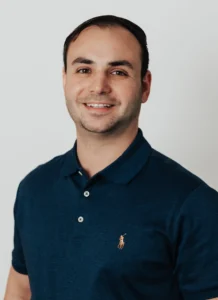
Brandon Massion
LCSW
Thank you for considering me for your counseling and mentoring needs. I am a licensed clinical social worker and currently work at UF Health Trauma Hospital in Jacksonville, FL...
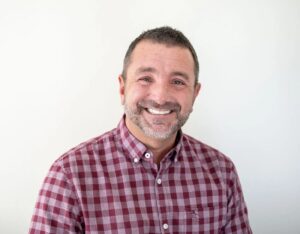
Jon Hester
LCSW, CCTP-II and Certified Maxwell Leadership Coach
Jon Hester, LCSW, is a licensed clinical social worker serving adults in Georgia and Florida. With more than 25 years of clinical and executive leadership experience, Jon helps clients navigate anxiety, OCD, trauma, PTSD, stress, major life transitions, and the unique pressures that can come with work, relationships, and leadership responsibilities...