
Visible & Invisible Disabilities
What this specialty means
Visible and invisible disabilities covers many conditions that affect how someone moves, senses, thinks, communicates, or has energy—some apparent to others, some not. Support in this specialty centers the lived experience of disability, accessibility, and self-determination. A practitioner may offer counseling, skills-based coaching, psychoeducation, and resource navigation tailored to fluctuating needs, pain or fatigue, executive-function challenges, and disclosure choices. Psychotherapy may address emotional distress or adjustment. Coaching often targets practical routines and advocacy. Medical care handles diagnosis, procedures, and medications, while nonmedical support focuses on coping, identity, and quality of life.
Why people seek support
People may seek this support when navigating bias or disbelief about invisible conditions, pressure to “perform” health, or grief and identity shifts after a new limitation. Others want help managing school or workplace accommodations, transportation and accessibility barriers, fluctuating symptoms that disrupt plans, or relationship strain around caregiving and independence. Some face burnout from masking differences, anxiety about disclosure, or isolation due to pain and fatigue. Caregivers and partners may also look for guidance on communication, boundaries, and sustainable support without overstepping autonomy.
Typical goals
With a qualified professional, people might set goals such as clarifying values and pacing, building accessible routines, and creating scripts for requesting accommodations or explaining needs. They may explore self-advocacy, boundary-setting, and safer disclosure strategies, or develop executive-function supports and fatigue or sensory management plans. Psychotherapy could address mood, stress, trauma, or adjustment to change; coaching might focus on problem-solving and habit design. Collaboration may include mapping resources, coordinating with healthcare providers at the person’s request, and strengthening relationship communication and community connection.
Trifecta Health educational information. For educational purposes only—not a diagnosis or a substitute for professional medical advice.
Find a specialty provider
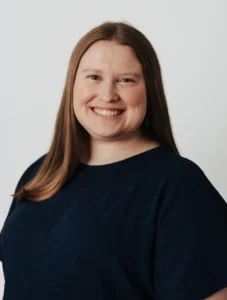
Catherine Geyer
LAPC
Hello! I'm Catherine, and I'm so glad you are here...
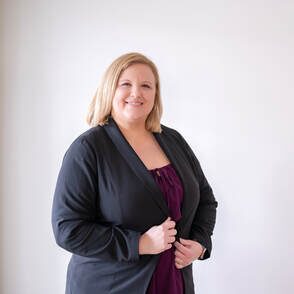
Michelle Gillespie
LPC
Thank you for considering me as part of your counseling journey. I am a Licensed Professional Counselor in the state of Georgia...